Understanding Your Skin Type: The Foundation of Effective Skincare
Dr. Emily Chen
Lead Aesthetician, Mirror Mirror Aesthetics
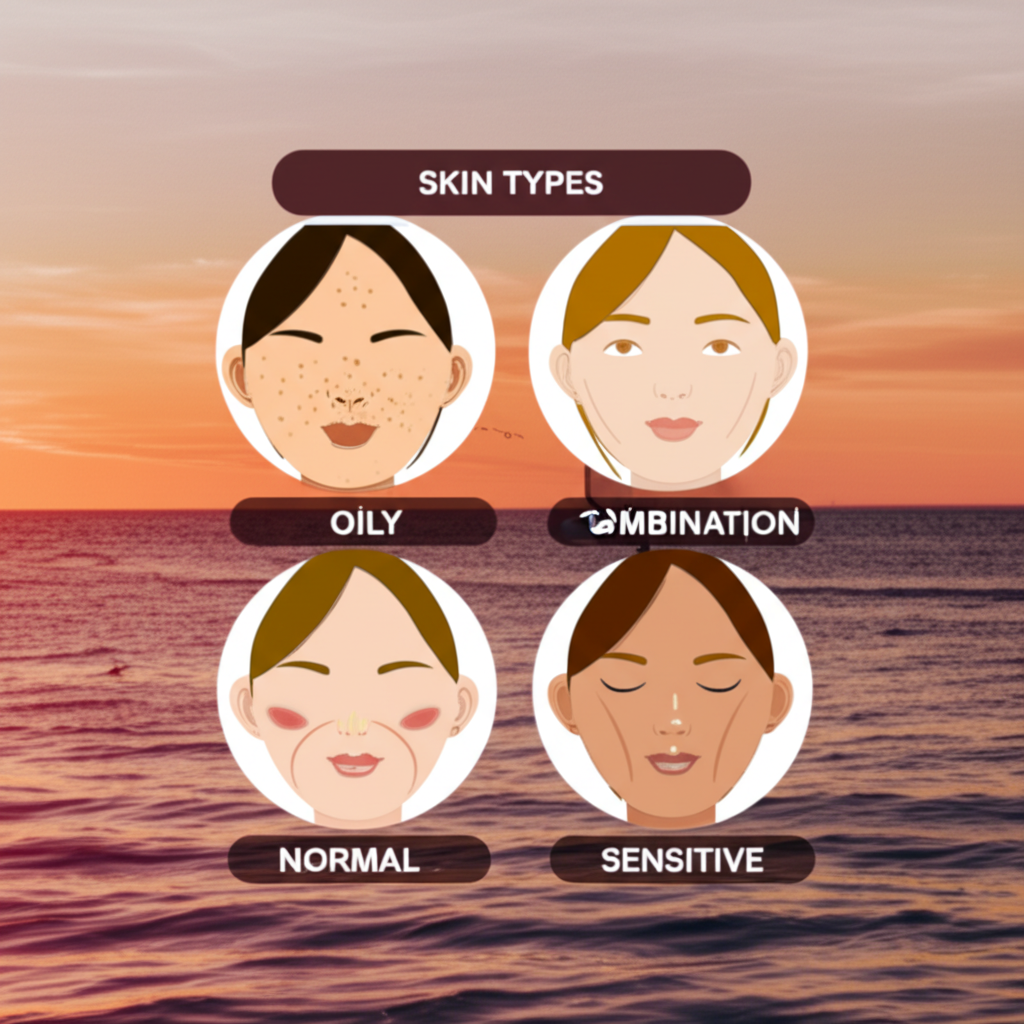
Knowing your skin type is the cornerstone of building an effective skincare routine. Using products designed for your specific skin type can mean the difference between achieving your skin goals and experiencing frustration with products that don't deliver results—or worse, cause new problems.
The Five Main Skin Types
1. Normal Skin
Normal skin is well-balanced—neither too oily nor too dry. If you have normal skin, you're among the lucky few who experience:
- Few imperfections or blemishes
- No severe sensitivity
- Barely visible pores
- A radiant, even complexion
- Good elasticity and texture
Care tips: Maintain your skin's balance with gentle cleansers, lightweight moisturizers, and regular sunscreen use. You can experiment with various active ingredients without much concern for irritation.
2. Dry Skin
Dry skin produces less sebum than normal skin, leading to a lack of lipids needed to retain moisture and build a protective shield. Signs include:
- Rough, flaky, or scaly texture
- Tightness, especially after cleansing
- Dull appearance
- More visible fine lines
- Less elasticity
- Possible itching or irritation
Care tips: Use creamy, hydrating cleansers and rich moisturizers with ingredients like hyaluronic acid, ceramides, and glycerin. Avoid harsh exfoliants and alcohol-based products. Consider adding a facial oil to your routine.
3. Oily Skin
Oily skin is characterized by excess sebum production, which can lead to a shiny appearance and enlarged pores. Common characteristics include:
- Glossy shine, especially in the T-zone
- Enlarged, visible pores
- Blackheads, whiteheads, or other blemishes
- Thicker, less refined skin texture
- Makeup that doesn't stay in place
Care tips: Use gentle, foaming cleansers and lightweight, oil-free moisturizers. Incorporate salicylic acid or niacinamide to control oil production. Don't skip moisturizer—dehydrated skin can actually produce more oil to compensate.
4. Combination Skin
The most common skin type, combination skin features both oily and dry areas. Typically, the T-zone (forehead, nose, and chin) is oily while cheeks are normal or dry. You might notice:
- Oiliness in the T-zone
- Dry or normal cheeks
- Pores that appear larger in oily areas
- Occasional breakouts, particularly in the T-zone
- Different care needs for different facial areas
Care tips: Use a gentle cleanser suitable for all skin types. Apply lightweight moisturizer to oily areas and richer formulas to dry zones. Consider multi-masking—using different masks on different areas of your face.
5. Sensitive Skin
Sensitive skin can overlap with other skin types but requires special attention due to its reactive nature. Signs include:
- Redness and irritation
- Burning or stinging sensations
- Dry patches or rashes
- Reactions to skincare products or environmental factors
- Visible blood vessels
Care tips: Choose fragrance-free, hypoallergenic products with minimal ingredients. Patch test new products before full application. Look for soothing ingredients like centella asiatica, aloe vera, and ceramides.
How to Determine Your Skin Type
The Bare-Face Method
- Cleanse your face thoroughly with a gentle cleanser
- Pat dry and don't apply any products
- Wait 30 minutes
- Examine your skin:
- If it feels tight and looks flaky, you have dry skin
- If there's noticeable shine on your nose and forehead, you have combination skin
- If there's shine all over, you have oily skin
- If your skin feels comfortable with no shine or tightness, you have normal skin
The Blotting Sheet Method
- Wait a few hours after washing your face
- Press blotting paper on different areas of your face
- Hold the sheets up to light:
- Little to no oil: dry skin
- Oil from T-zone only: combination skin
- Oil from all areas: oily skin
- Minimal oil overall: normal skin
Factors That Can Affect Your Skin Type
It's important to note that your skin type can change over time due to various factors:
- Age: Skin tends to become drier as we age due to decreased oil production
- Climate: Humid environments can make skin oilier, while dry climates can cause dehydration
- Hormones: Pregnancy, menopause, and menstrual cycles can affect oil production
- Medications: Some medications can dry out skin or increase oil production
- Diet: What you eat can impact your skin's oil production and overall health
- Stress: High stress levels can trigger various skin issues
- Skincare products: Using the wrong products can alter your skin's natural balance
Building a Routine for Your Skin Type
Once you've identified your skin type, you can build a targeted routine. Here's a basic framework for each type:
Normal Skin Routine
- Morning: Gentle cleanser → Antioxidant serum → Moisturizer → SPF
- Evening: Cleanser → Treatment serum (retinol, peptides) → Moisturizer
Dry Skin Routine
- Morning: Creamy cleanser → Hydrating serum → Rich moisturizer → SPF
- Evening: Oil cleanser → Gentle cleanser → Hydrating essence → Night cream → Face oil
Oily Skin Routine
- Morning: Foaming cleanser → BHA toner → Lightweight serum → Oil-free moisturizer → SPF
- Evening: Cleanser → Retinol or niacinamide serum → Light moisturizer
Combination Skin Routine
- Morning: Gentle cleanser → Balancing toner → Serum → Zone-specific moisturizers → SPF
- Evening: Cleanser → Treatment for specific concerns → Targeted moisturizers
Sensitive Skin Routine
- Morning: Gentle, fragrance-free cleanser → Soothing serum → Barrier repair moisturizer → Mineral SPF
- Evening: Micellar water → Gentle cleanser → Calming essence → Rich, fragrance-free moisturizer
When to Seek Professional Help
While understanding your skin type is helpful for daily care, some situations warrant professional consultation:
- Persistent acne or breakouts despite proper care
- Severe dryness or irritation that doesn't improve
- Sudden changes in your skin
- Signs of skin conditions like rosacea or eczema
- When you want to incorporate professional treatments
The Professional Advantage
At Mirror Mirror Aesthetics, we use advanced skin analysis technology to go beyond basic skin typing. Our comprehensive skin assessments evaluate:
- Hydration levels
- Oil production patterns
- Pore size and congestion
- Pigmentation issues
- Signs of aging
- Underlying inflammation
- Skin barrier health
This detailed analysis allows us to create truly personalized treatment plans that address not just your skin type, but your specific concerns and goals.
Related Articles
The Ultimate Guide to Active Skincare Ingredients
Decode your product labels and understand which ingredients work best for your skin type.

Adapting Your Skincare Routine for Every Season
Learn how to adjust your skincare routine as your skin's needs change throughout the year.
Discover Your True Skin Type
Get a professional skin analysis and personalized skincare recommendations from our experts.
Schedule Your Skin Analysis