Decoding Skincare Ingredients: What Your Skin Really Needs
Dr. Emily Carter
Lead Aesthetician
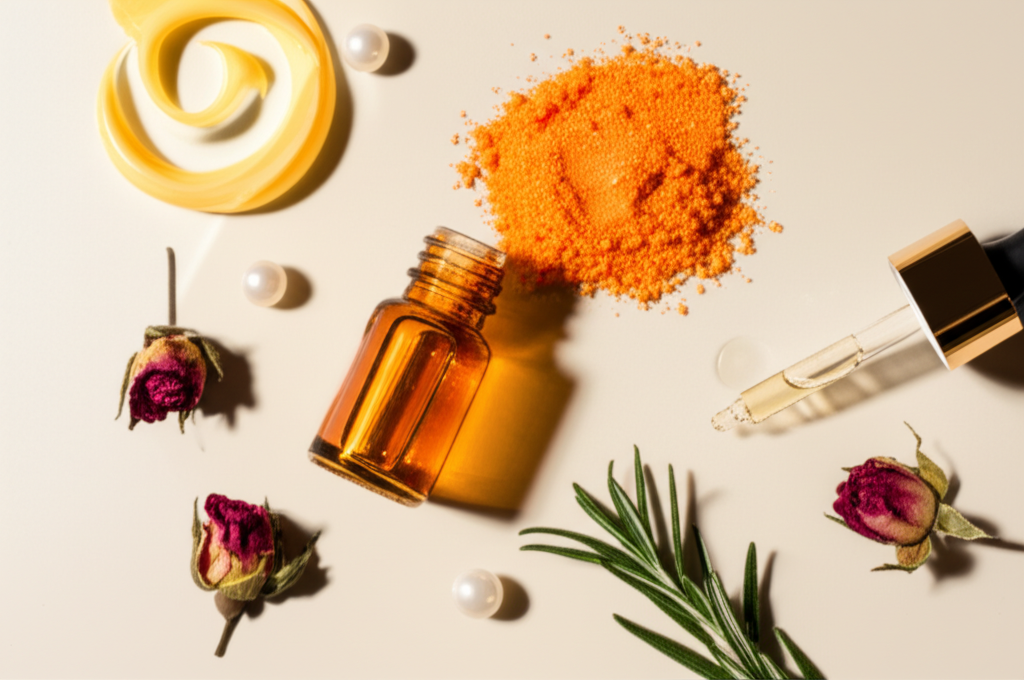
With thousands of skincare products on the market, each boasting a unique blend of ingredients, building an effective routine can feel overwhelming. The key to success lies in understanding active ingredients—the powerhouse components that drive visible results by targeting specific skin concerns.
In this comprehensive guide, we'll decode the most effective active ingredients in modern skincare, explain how they work, and help you determine which ones are right for your unique skin needs.
Retinoids: The Gold Standard for Anti-Aging
Retinoids, derived from Vitamin A, are perhaps the most extensively studied and proven skincare ingredients available. This family includes prescription-strength tretinoin, adapalene, and over-the-counter retinol.

How they work: Retinoids accelerate cell turnover, stimulate collagen production, and regulate cell function. This multi-faceted approach addresses multiple signs of aging simultaneously.
Benefits:
- Reduces fine lines and wrinkles
- Improves skin texture and tone
- Helps clear and prevent acne
- Minimizes pore appearance
- Fades hyperpigmentation
How to use: Start with a low concentration (0.25-0.5%) and use just 1-2 times per week, gradually increasing frequency as tolerance builds. Always apply to clean, dry skin in the evening and follow with moisturizer. Sunscreen is essential during daytime hours, as retinoids can increase sun sensitivity.
Expert Tip: If you experience irritation with retinoids, try the "sandwich method"—apply moisturizer, then retinoid, then another layer of moisturizer to buffer its effects while your skin adjusts.
Vitamin C: The Brightening Antioxidant
Vitamin C (L-ascorbic acid) is a powerful antioxidant that protects against environmental damage while visibly brightening the complexion.
How it works: Vitamin C neutralizes free radicals, inhibits melanin production, and is essential for collagen synthesis.
Benefits:
- Protects against UV and pollution damage
- Brightens skin tone and fades dark spots
- Boosts collagen production
- Reduces inflammation
- Enhances sunscreen effectiveness
How to use: Apply in the morning after cleansing and before sunscreen. Look for stable formulations (like ethylated ascorbic acid or ascorbyl glucoside) if you're concerned about oxidation. Pure L-ascorbic acid is most effective at concentrations between 10-20%.
Alpha Hydroxy Acids (AHAs): Surface Exfoliators
This family of acids includes glycolic, lactic, mandelic, and citric acids, each derived from natural sources and varying in molecular size.
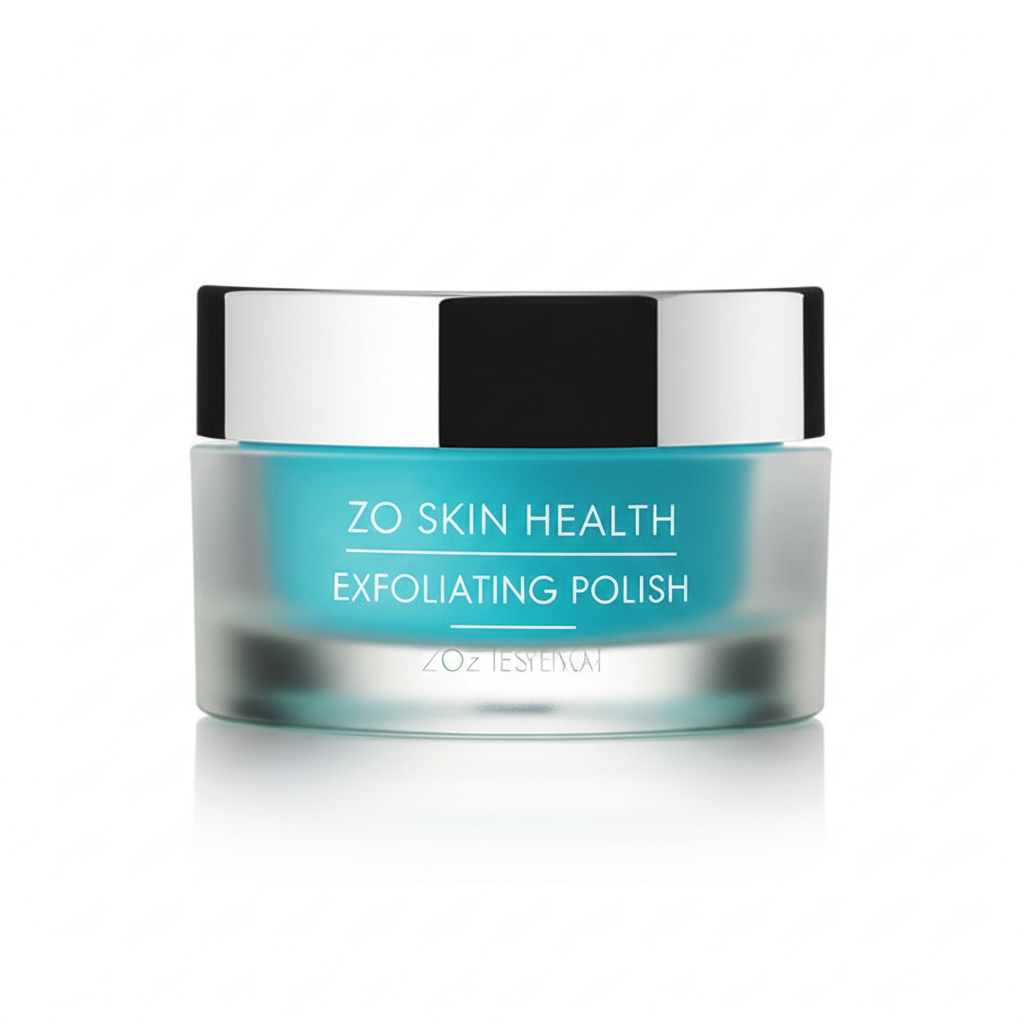
How they work: AHAs dissolve the bonds between dead skin cells, allowing them to shed more easily and revealing fresher skin beneath.
Benefits:
- Improves skin texture and tone
- Reduces fine lines and surface wrinkles
- Brightens dull complexion
- Helps clear congested pores
- Enhances penetration of other skincare products
How to use: Start with lower concentrations (5-7%) and use 2-3 times weekly. Glycolic acid is the smallest molecule and most penetrating, while mandelic acid is larger and gentler for sensitive skin. Always use sunscreen during the day, as AHAs increase photosensitivity.
Beta Hydroxy Acid (BHA): Deep Pore Cleanser
Salicylic acid is the primary BHA used in skincare, derived from willow bark and related to aspirin.
How it works: Unlike water-soluble AHAs, salicylic acid is oil-soluble, allowing it to penetrate into pores and dissolve excess sebum and debris.
Benefits:
- Unclogs and reduces the appearance of pores
- Treats and prevents acne
- Reduces inflammation and redness
- Exfoliates skin surface
- Has mild antimicrobial properties
How to use: Effective at concentrations of 0.5-2%. Can be used daily for oily skin types, or 2-3 times weekly for normal skin. Those with dry or sensitive skin should use with caution.
Hyaluronic Acid: The Hydration Molecule
Hyaluronic acid is a naturally occurring molecule in our skin that can hold up to 1,000 times its weight in water.
How it works: HA attracts and binds water molecules, maintaining hydration in the skin and creating a plumping effect.
Benefits:
- Provides immediate hydration
- Plumps skin and temporarily reduces fine lines
- Strengthens skin barrier
- Suitable for all skin types
- Calms irritated skin
How to use: Apply to damp skin for maximum effectiveness. Look for products with multiple molecular weights of HA for both surface hydration and deeper penetration. Can be used twice daily.
Niacinamide: The Multitasking Vitamin
Niacinamide (Vitamin B3) is a water-soluble vitamin that has gained popularity for its versatility and gentleness.
How it works: Niacinamide supports the skin's barrier function, regulates oil production, and has anti-inflammatory properties.
Benefits:
- Reduces redness and inflammation
- Minimizes pore appearance
- Regulates sebum production
- Strengthens skin barrier
- Helps fade hyperpigmentation
- Improves fine lines and texture
How to use: Effective at 2-10% concentration. Can be used twice daily and pairs well with most other ingredients. An excellent choice for sensitive skin that cannot tolerate stronger actives.
Peptides: Cellular Communicators
Peptides are short chains of amino acids that act as messengers in the skin, signaling cells to perform specific functions.

How they work: Different peptides send different signals—some stimulate collagen production, others promote elasticity or reduce inflammation.
Benefits:
- Stimulates collagen and elastin production
- Improves skin firmness and elasticity
- Reduces fine lines and wrinkles
- Strengthens skin barrier
- Some peptides have botox-like effects on expression lines
How to use: Look for stable formulations with multiple peptides for comprehensive benefits. Can be used twice daily and pairs well with most other ingredients.
Building Your Ideal Routine
The key to an effective skincare routine is not using every active ingredient available, but rather selecting the right combination for your specific concerns. Here are some guidelines:
Morning Routine Framework:
- Gentle cleanser
- Antioxidant (Vitamin C)
- Hydrating ingredients (Hyaluronic Acid, Niacinamide)
- Moisturizer
- Sunscreen (minimum SPF 30)
Evening Routine Framework:
- Double cleanse (oil-based followed by water-based cleanser)
- Treatment product (retinoid OR exfoliating acid—alternate nights)
- Hydrating serum (peptides, niacinamide, hyaluronic acid)
- Moisturizer
- Occlusive (if needed for very dry skin)
Important Note on Ingredient Compatibility: Not all active ingredients work well together. For example, retinoids should not be used simultaneously with AHAs/BHAs or high-strength vitamin C, as this can cause irritation. When in doubt, separate potentially conflicting ingredients by using one in the morning and one at night, or on alternate days.
Professional Guidance Makes the Difference
While understanding ingredients is empowering, professional guidance ensures you're using the right actives at the optimal concentrations for your specific skin type and concerns. At Mirror Mirror Aesthetics, our skincare specialists can:
- Analyze your skin's unique needs using advanced diagnostic tools
- Recommend professional-grade products with optimal ingredient combinations
- Create a personalized regimen that complements any in-clinic treatments
- Help you navigate ingredient interactions and potential sensitivities
- Adjust your routine seasonally or as your skin's needs evolve
Related Articles
Understanding Neurotoxins: Botox, Dysport, and Beyond
Demystifying neurotoxin treatments: how they work, what to expect, and achieving natural results.
The Complete Guide to Laser Hair Removal
Everything you need to know about laser hair removal, from preparation to aftercare and results.
Ready to Perfect Your Skincare?
Book your consultation today and let our experts design a personalized skincare regimen for you.
Schedule Your Consultation